How can I get fluent fast?
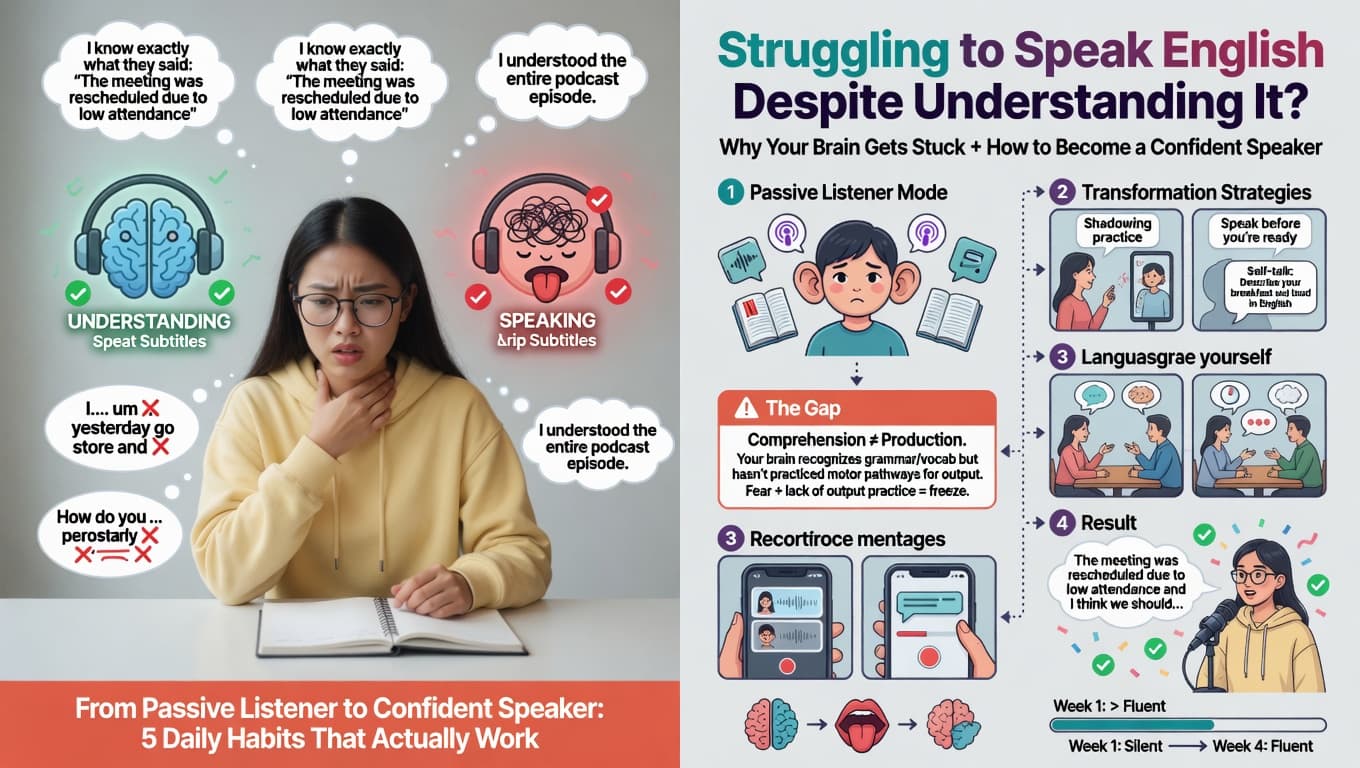
Unlock your path to English fluency with practical techniques and immersive learning strategies. Transform daunting challenges into achievable goals and communicate confidently!

Introduction
Becoming fluent in English is an aspiration shared by many language learners around the world. Whether it’s for academic, professional, or personal reasons, the quest for fluency can sometimes feel daunting. But fear not! With strategic planning and dedicated practice, you can unlock the door to fluency faster than you might think. This blog post will explore practical steps and techniques to accelerate your learning journey, allowing you to communicate confidently and effectively in English.
Understanding Fluency
Fluency is often misunderstood. It goes beyond merely having a large vocabulary or the ability to construct grammatically correct sentences. True fluency encompasses the ability to think and respond quickly in real-life conversations without relying heavily on translation.
Key Aspects of Fluency
- Vocabulary: A broad vocabulary allows you to express thoughts and feelings more precisely.
- Pronunciation: Clear pronunciation aids comprehension and conveys confidence.
- Grammar: While perfect grammar isn't always necessary, a solid grasp helps avoid misunderstandings.
- Listening Skills: Understanding native speakers’ accents and rapid speech is crucial for effective communication.
Immersive Learning Techniques
One of the most effective ways to gain fluency is through immersion. The more you expose yourself to the language, the quicker you'll acquire it.
1. Surround Yourself with English
- Media Consumption: Watch movies, listen to podcasts, and read books in English. Choose genres that you love! For instance, if you're a fan of mystery novels, pick up a bestselling English title in that category.
- Social Media: Follow English-speaking influencers on platforms like Instagram, Twitter, or TikTok. Their posts will help familiarize you with colloquial language and current slang.
2. Engage in Conversations
- Language Exchange: Find a language partner through platforms like Tandem or HelloTalk, where you can practice speaking with native speakers or fellow learners.
- Join Local Groups: Look for community gatherings, such as English conversation clubs or meet-ups. Engaging face-to-face is invaluable.
3. Utilize Technology
- Language Learning Apps: Incorporate apps like Duolingo or Babbel into your daily routine. They offer structured lessons that adapt to your learning speed.
- Voice Recognition Software: Use tools like Google's speech-to-text to practice pronunciation. Speak a sentence and see how accurately your words are recognized.
"The only real mistake is the one from which we learn nothing." – Henry Ford
Active Practice Strategies
Practice is crucial if you want to see rapid progress. Instead of waiting passively for fluency to happen, take an active role in your learning.
1. Daily Speaking
- Talk to Yourself: Narrate your daily activities in English to practice verbalizing thoughts. This technique helps in thinking in English rather than translating from your native language.
- Use a Speech Journal: Record yourself speaking on various topics. Listen back to identify areas for improvement.
2. Write Regularly
- Journaling: Keep a daily journal in English. Write about your day, your feelings, or any topic that interests you. This will help reinforce vocabulary and sentence structure.
- Online Forums: Participate in forums like Reddit or language-specific communities where you can write and receive feedback.
3. Grammar and Vocabulary Exercises
- Flashcards: Use apps like Anki to create flashcards for vocabulary words and phrases. Regular review helps solidify your memory.
- Grammar Practice: Invest time in understanding verbs, tenses, and sentence structure through workbooks or online exercises.
Focus on Listening and Comprehension
Fluency isn’t just about speaking; it's also about understanding what others say. Strengthening your comprehension skills will significantly impact your speaking ability.
Active Listening Techniques
- Podcasts and Audiobooks: Choose content at your level. Start with slower-paced materials and progress to native-speed ones.
- Subtitled Videos: Watch videos in English with English subtitles. This helps in connecting spoken language with written text.
Note-taking
- Summarize: After consuming any English content, write a brief summary. This reinforces memory and comprehension.
- Vocabulary Lists: Create lists of new words you encounter and try to use them in sentences.
Setting Goals for Success
Establishing clear, achievable goals will keep you motivated and focused on your journey to fluency.
SMART Goals
When setting goals, consider the SMART criteria:
- Specific: Define exactly what you want to achieve (e.g., "I want to learn 50 new vocabulary words this month").
- Measurable: Decide how you will measure success (e.g., "I will use these words in conversation 10 times").
- Achievable: Ensure your goal is realistic (e.g., "I will practice speaking for 30 minutes a day").
- Relevant: Tailor goals to your personal interests and needs.
- Time-bound: Set deadlines (e.g., "I will complete my goal by the end of the month").
Conclusion
Achieving fluency in English is not just a dream — it can be a reality with the right mindset, strategies, and dedication. By immersing yourself in the language, actively practicing, improving your listening skills, and setting achievable goals, you can accelerate your learning process.
Remember, fluency is a journey, not a destination. Celebrate your small victories along the way and maintain a positive attitude. With persistence and passion, you will find yourself speaking English with confidence in no time!
Feel free to share your stories of progress or any additional tips you might have in the comments below. Happy learning!